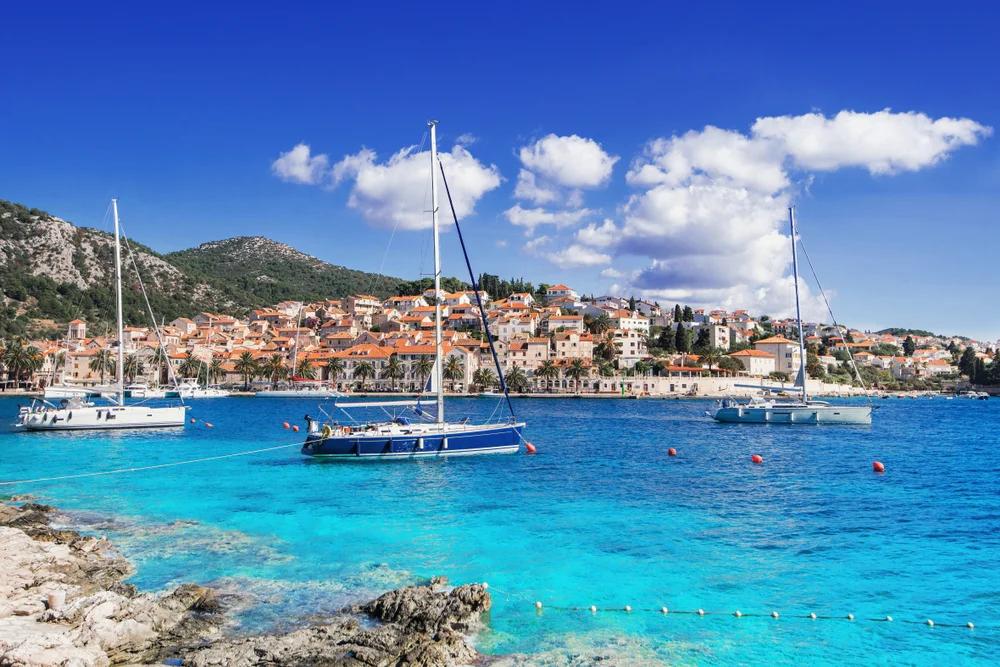
Two hours is longer than most boats give you
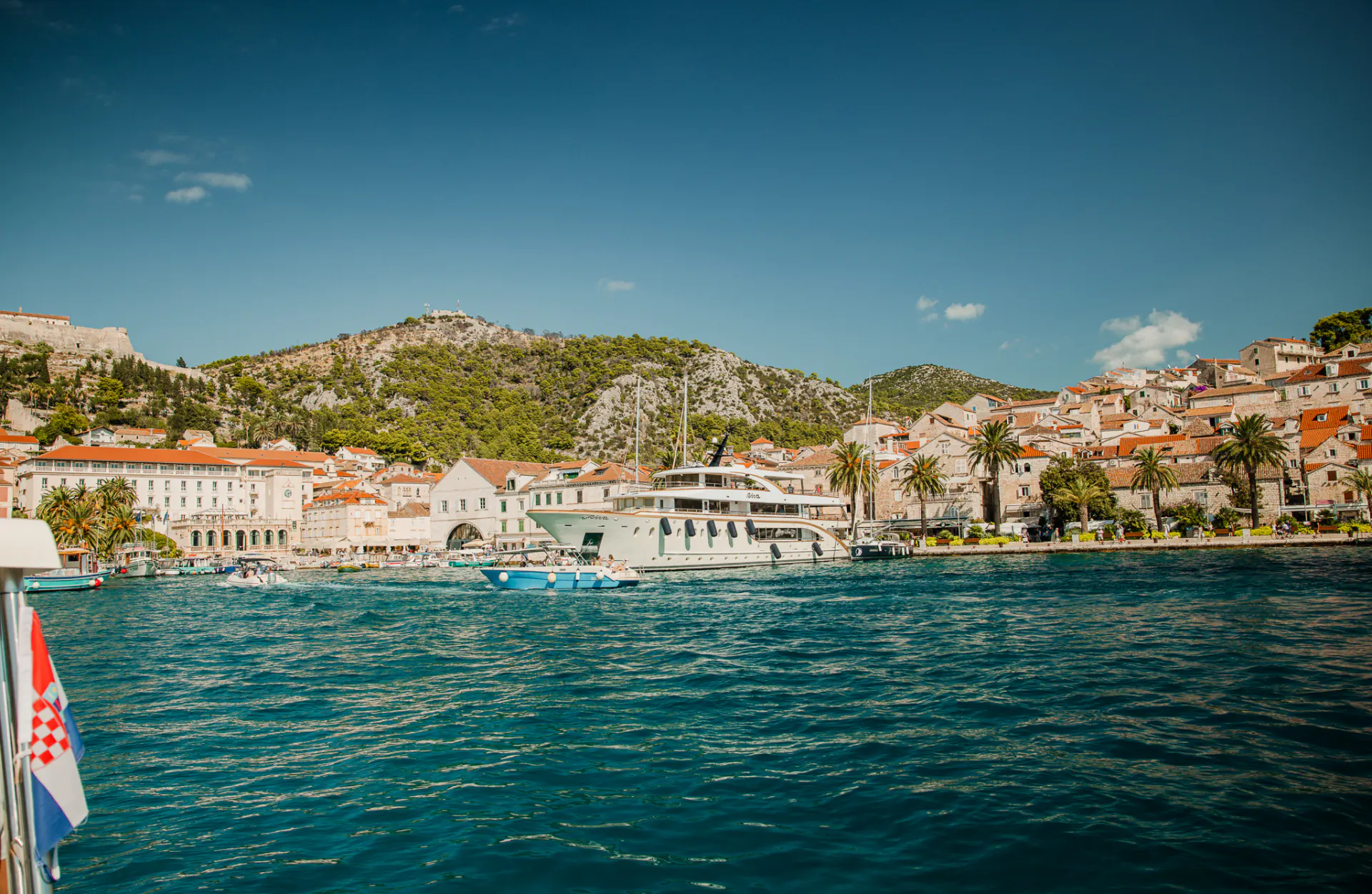
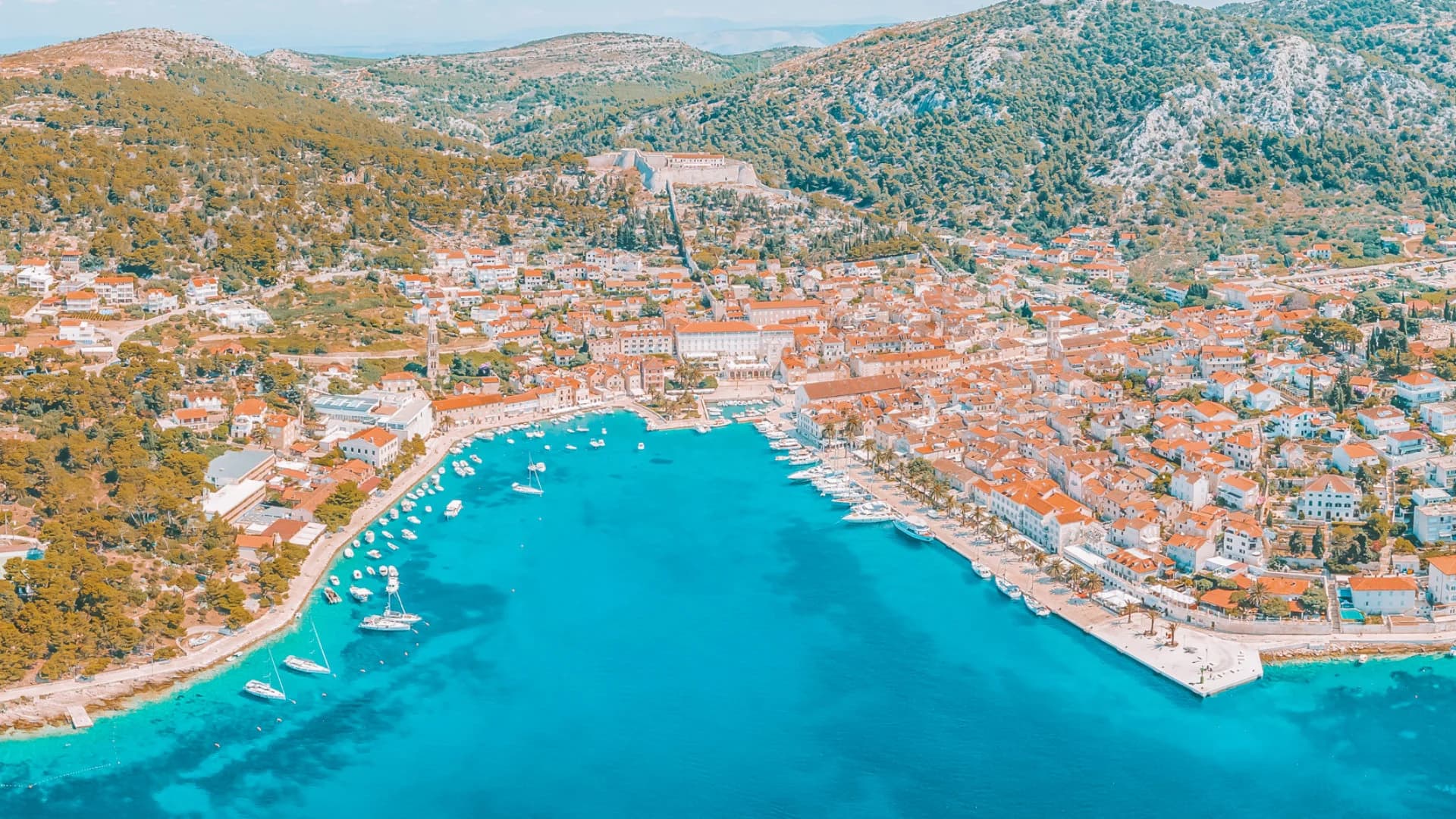
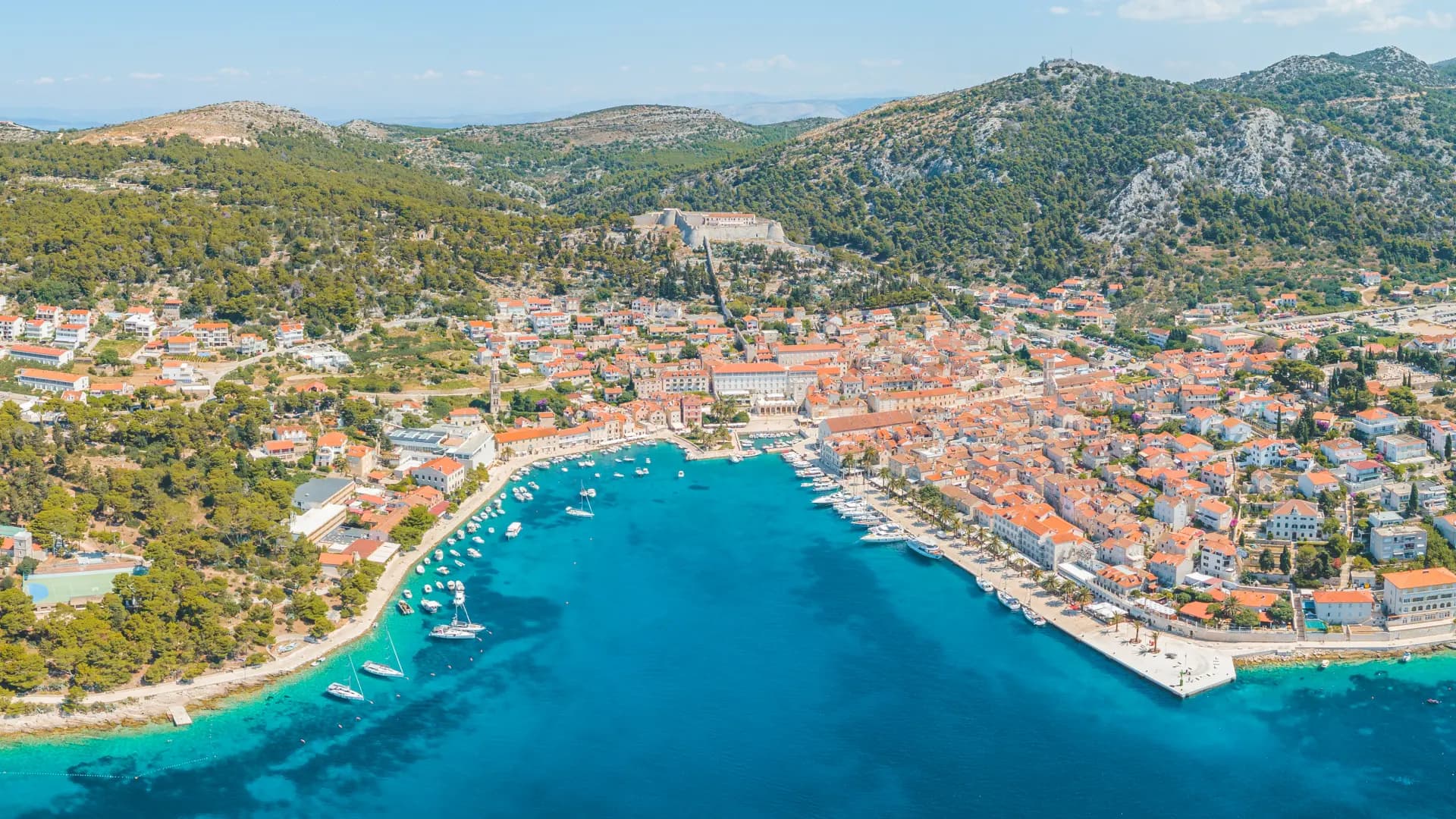
On the Blue Cave Group Tour, you tie up at Hvar harbour in the early afternoon and have two full hours off the boat before the final swim stop. Two hours is the difference between eating against the clock and actually having lunch in Hvar. That stop is part of the small group Blue Cave tour, one of the days on the Blue Cave tour from Split page.
Take about 10 minutes total for the walk from the harbour to the centre and back. That still leaves you roughly 110 usable minutes, enough for a real sit-down meal, a coffee, and a proper walk through the old town without watching the boat over your shoulder. The stop-by-stop walkthrough shows where those two hours sit in the day.
A bad restaurant choice (slow service, big queue, kitchen overwhelmed) no longer wrecks the stop, but it can still eat half of it. A good choice gives you lunch, a coffee, the marble Pjaca and the walk up toward the fortress with time to spare.
Walk five minutes inland: the rule that still pays
The harbour and the marble Pjaca are ringed with restaurants whose terraces face the water. They are pretty, charge more for the view, and run on tourist volume, which means slow service in July and August.
Walk five minutes inland (up the narrow stone streets behind the Pjaca, away from the harbour) and the picture changes completely. Family-run konobas, lower prices, kitchens that move faster because the crowd is smaller, and the food is what the locals actually eat.
Two hours does not make this rule obsolete; it makes it optional. On the waterfront you now have the time to survive slow service if the view matters to you. Inland, the same two hours buy a starter, a main and a glass of pošip instead of one hurried plate. Your skipper will give you current recommendations on the day.
What to order
Konobas serve Dalmatian classics. Order one of these and you cannot really go wrong:
Grilled fish (riba na žaru): usually sea bass, sea bream, or dentex. Priced by the kilo, ask the waiter to recommend a portion size. Comes with blitva (Swiss chard with potatoes) and olive oil.
Black risotto (crni rižot) is squid ink risotto with cuttlefish. It is filling, distinctive and fast to prepare.
Grilled scampi (škampi na žaru) are Adriatic langoustines with garlic and parsley. They are messy and brilliant, and priced by size.
Pašticada: Dalmatian beef stew with gnocchi. Heavier; better if you are not heading back into the sun straight away.
Share a starter (octopus salad or anchovies), order a main each, and drink a glass of pošip white or a beer. With two hours dessert is no longer a gamble, though the gelato shops on the walk back to the harbour are still the better ending.
Konobas vs tourist traps: how to tell
Konoba: usually small, often family-run, stone-walled or wood-beamed interior, handwritten daily specials on a chalkboard, menu in Croatian first and English second. Locals at the next table.
Tourist trap: large terrace directly on the harbour, menu in six languages with photos, prices in big bold numbers, host on the street trying to wave you in. Locals nowhere in sight.
There are exceptions both ways (some harbour-front places are good), but the inland konoba is still the better meal for the money, two hours or not.
What if the day runs late and the stop shrinks
If the queue at the cave ran long or the swim stops overran and your skipper trims the Hvar stop back, change strategy. Skip the sit-down lunch entirely.
Grab a focaccia or a slice of pizza from one of the bakeries on the side streets. Eat it walking. Take five minutes for a coffee on the Pjaca. Photograph the marble square, glance up at the Fortica fortress on the hill, and head back to the boat.
A proper sit-down lunch needs 60 minutes minimum and a real konoba; below that, the bakery route wins every time.
After lunch: the walk you now have time for
With lunch done and half an hour or more in hand, walk through the marble Pjaca toward the cathedral, then take the stepped streets above the square toward the Fortica fortress. A full fortress visit still needs its own day, but the walk up to the viewpoints over the rooftops fits comfortably inside the stop, and it is the best free view in town.
For families, the small Arsenal building on the Pjaca houses one of the oldest public theatres in Europe (1612). It is closed often but the exterior is part of the photo round.
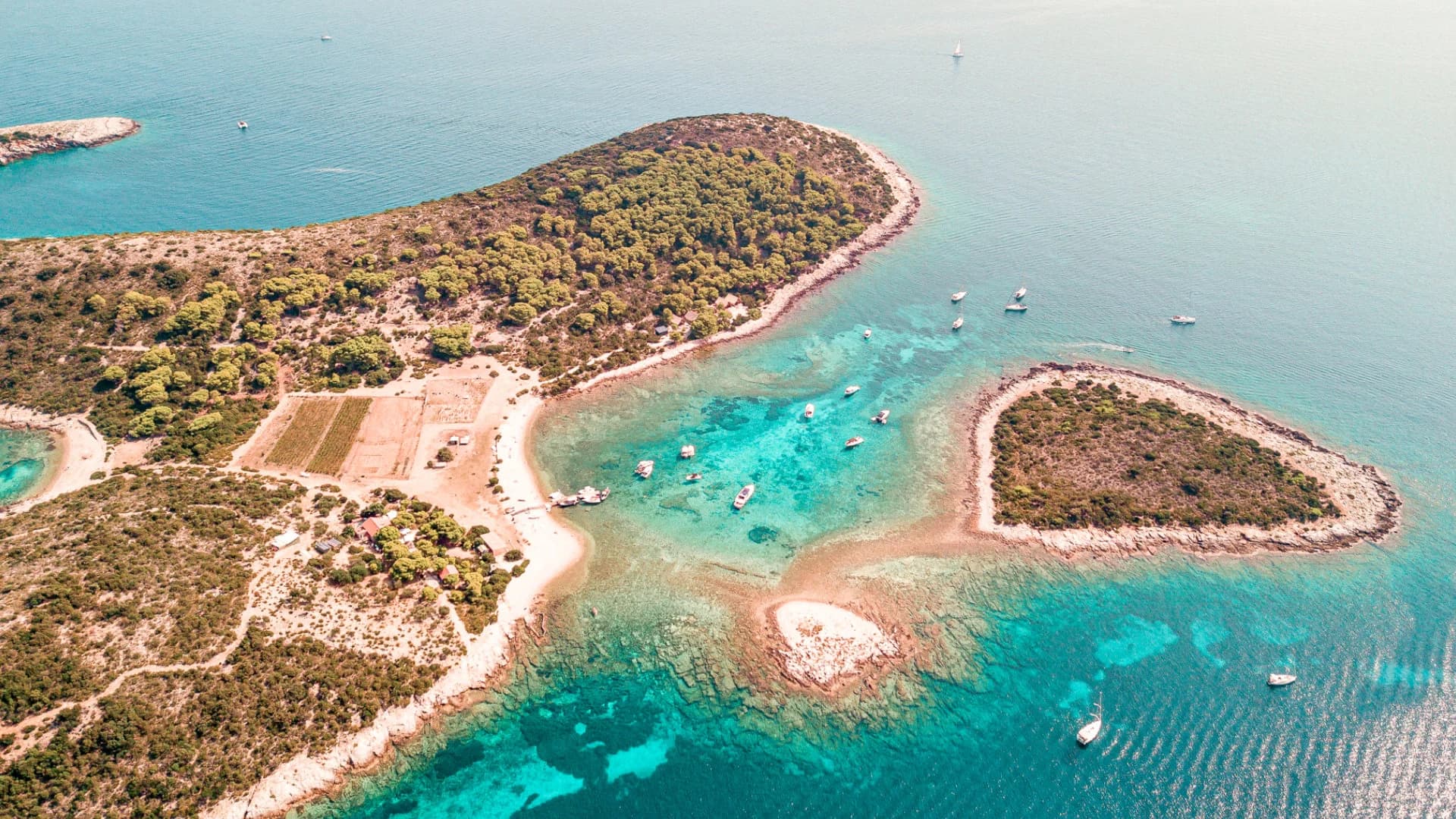
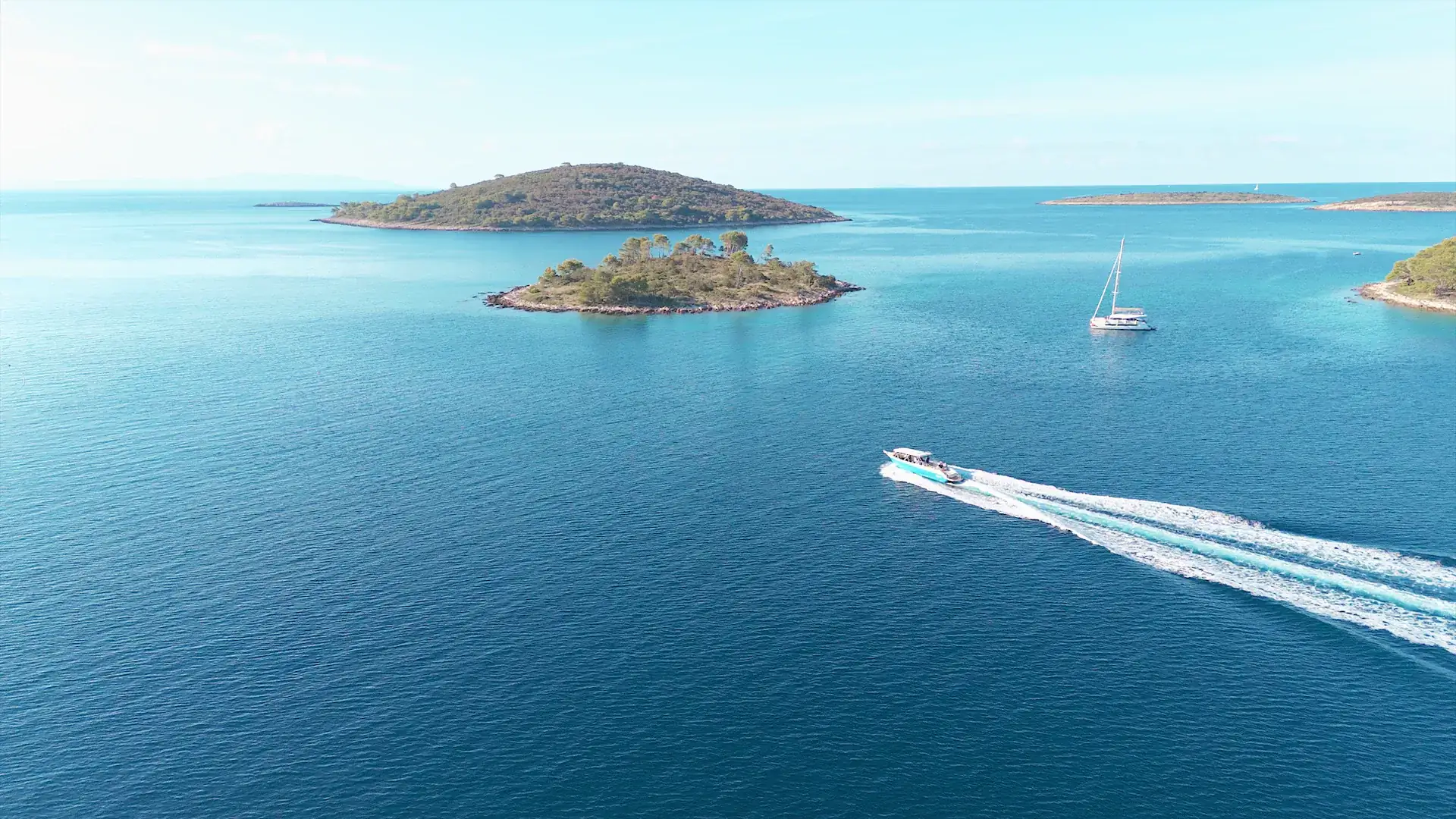
Then it is back to the boat. The route out of Hvar cruises through the Pakleni Islands for the views (see the Pakleni Islands bay guide for what you are passing), and the final swim of the day comes at Milna on Brač, a short crossing later.
Frequently asked questions
How long do you get in Hvar on a day tour?
Two hours on our Blue Cave Group Tour, which is enough for a proper sit-down lunch, the marble Pjaca, the harbour and the walk up toward the fortress.
Where should I eat in Hvar on a day trip?
Away from the main square. Try the konobas one or two streets back, and ask the crew on the crossing where they would eat.
Is Hvar expensive?
It is the most expensive stop of the day, and the waterfront costs considerably more than the streets behind it. A bakery and a swim is a good alternative.
Can I skip Hvar and stay on the boat?
What the boat does during the Hvar stop depends on the day, so ask the crew on the morning.
Reserve a seat on the Blue Cave Group Tour
Includes a two-hour Hvar lunch stop, long enough for a proper konoba meal and the walk up toward the fortress. Small group tour from Split Riva.
See Blue Cave Tour →